01
AI adoption
How tools become repeatable ways of working through ownership, training, useful first versions and better operating habits.
Personal moments of uncertainty, discovery and practical change, each followed by the framework I now carry into the next project.
How tools become repeatable ways of working through ownership, training, useful first versions and better operating habits.
Finding the real process beneath the request, then designing the trigger, decision, action and human boundary before choosing tools.
The unglamorous details that decide whether an AI system survives: cost, fallback paths, security, explanations and maintenance.
Turning meetings, client context and operational signals into better judgement—not simply automating more tasks.
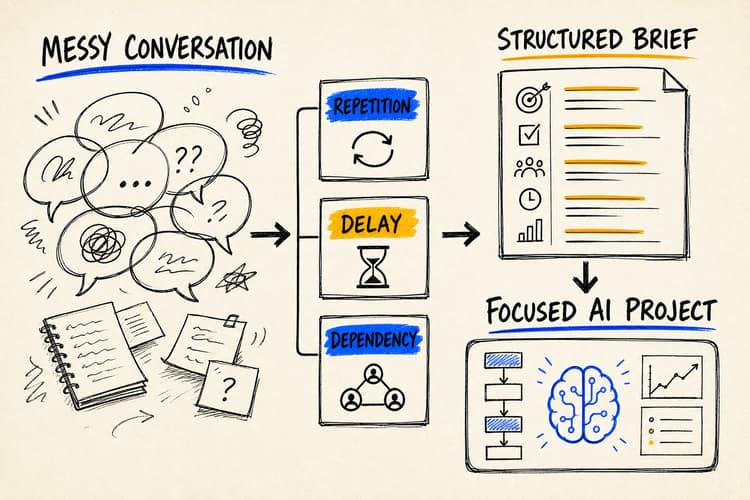
I have left discovery calls feeling excited by the opportunity and unsettled by the lack of a clear answer. That discomfort is often where the real AI project begins.
Read the field note →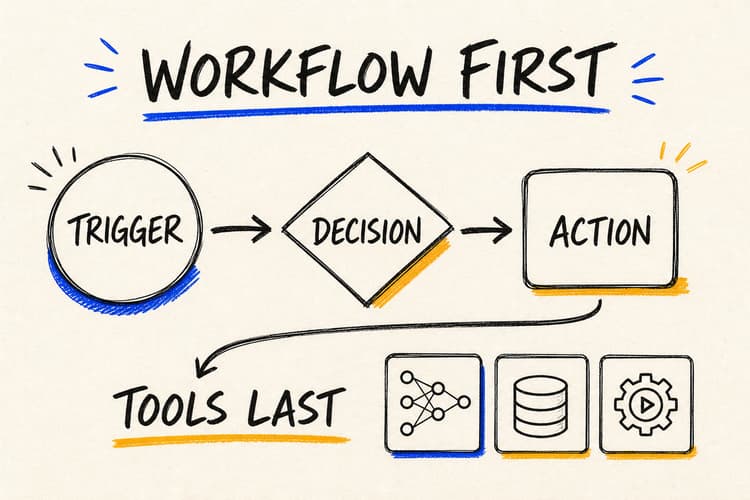
I once walked into discovery with a mental shortlist of tools. I left realizing that every tool in my head was stopping me from seeing the work in front of me.
Read the field note →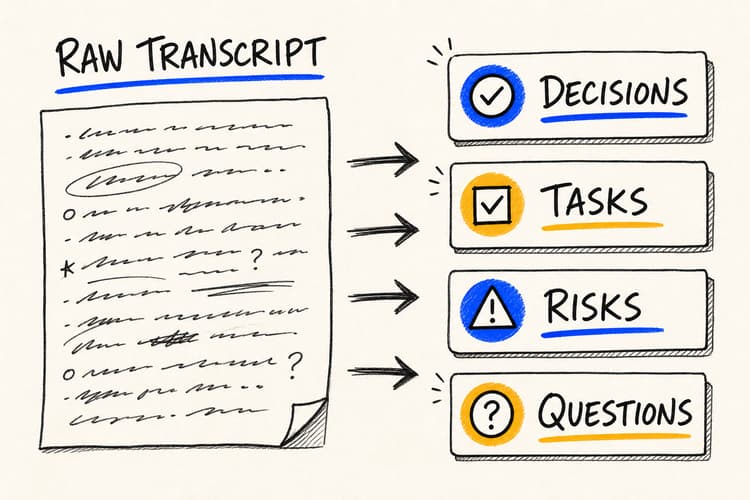
I kept seeing valuable conversations disappear into folders. The transcript existed, but the decisions, risks and product clues inside it were already fading.
Read the field note →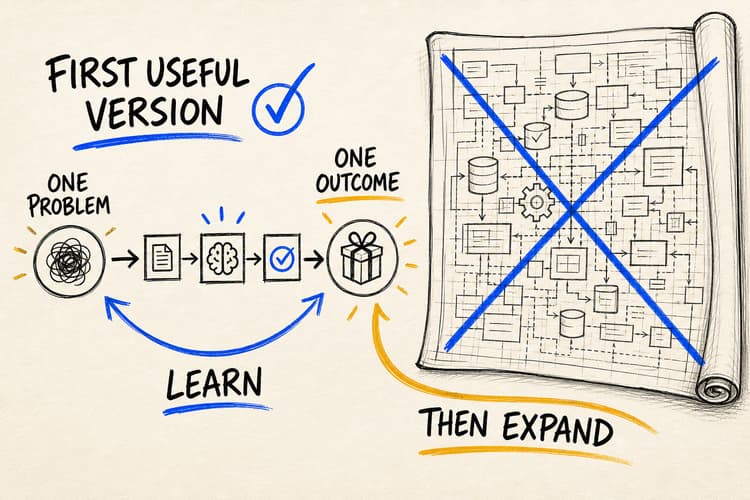
The more exciting the idea became, the further we moved from giving one real user something valuable. Cutting the scope felt painful until the product finally started teaching us.
Read the field note →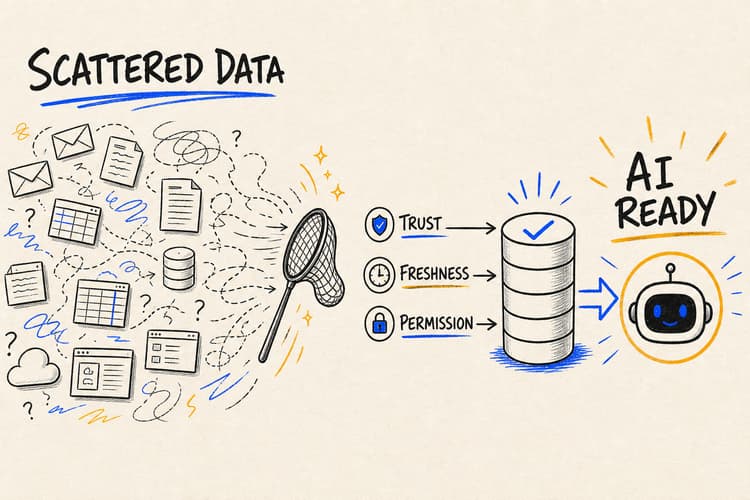
The assistant sounded confident, but it was missing decisions hidden in emails, context trapped in people’s heads and documents nobody knew were outdated.
Read the field note →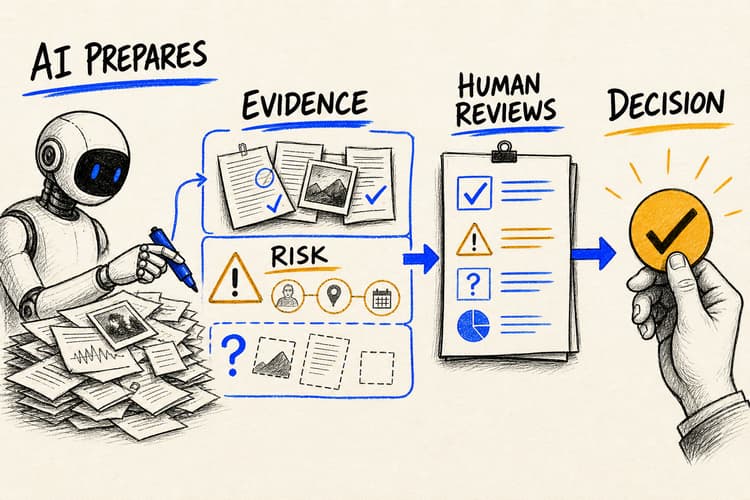
I thought the breakthrough would be more autonomy. The real value appeared when AI removed the confusion surrounding a decision and left the judgement with the person responsible.
Read the field note →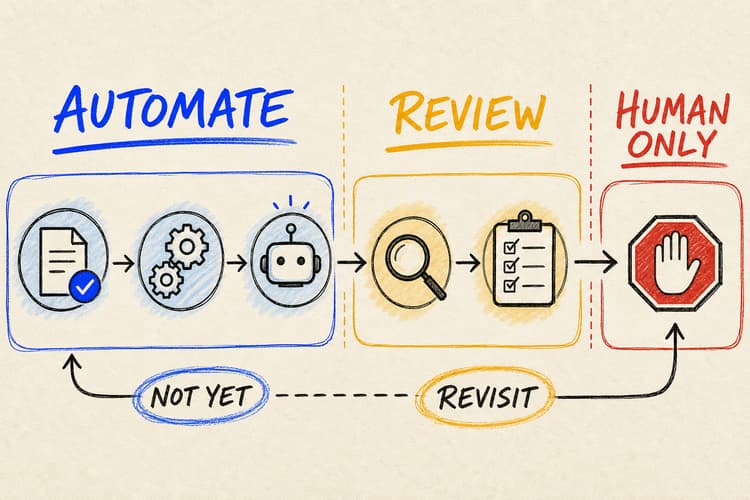
I could see how to build the workflow. I could also see that the process, data and consequences were not ready. Saying ‘not yet’ felt less impressive, but far more responsible.
Read the field note →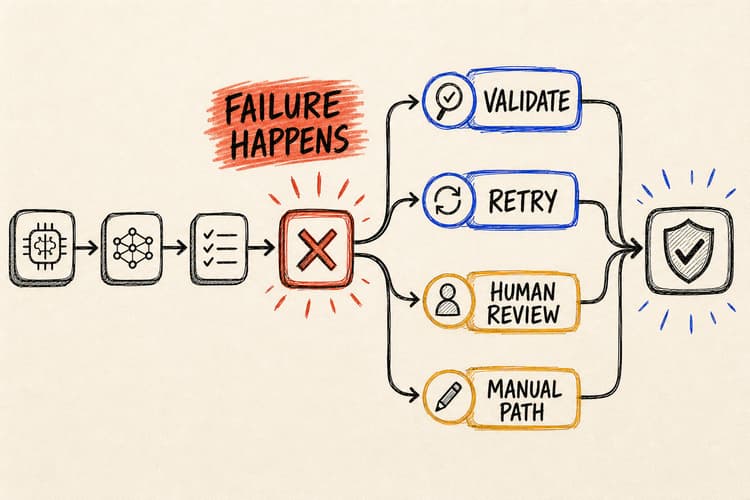
The happy path had been polished for weeks. One unsupported file exposed how little thought we had given to the moment the system could not continue.
Read the field note →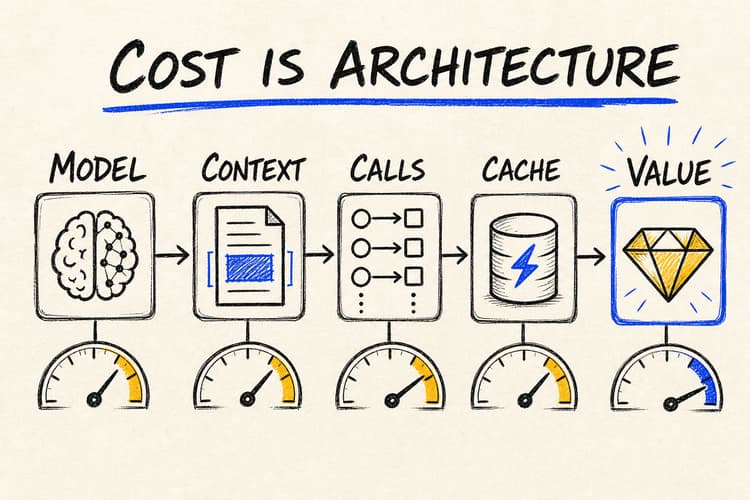
I first treated cost as something to monitor after launch. Then one workflow showed me that the expensive decisions had already been made in the design.
Read the field note →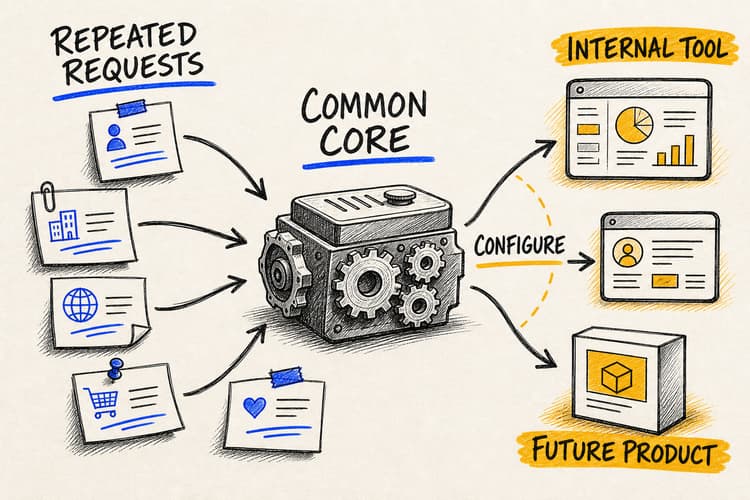
The client names changed. The wording changed. The underlying problem kept returning until I stopped treating each request as a separate piece of work.
Read the field note →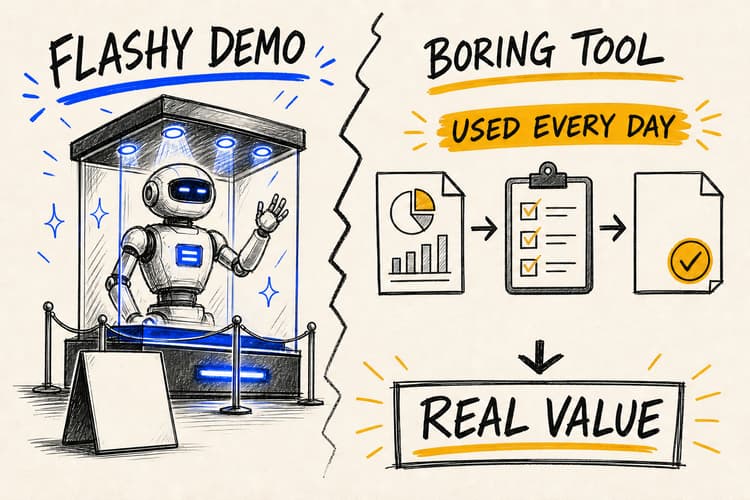
It did not have a futuristic interface or autonomous agents. It prepared a report, created tasks and saved people from a routine they were tired of repeating.
Read the field note →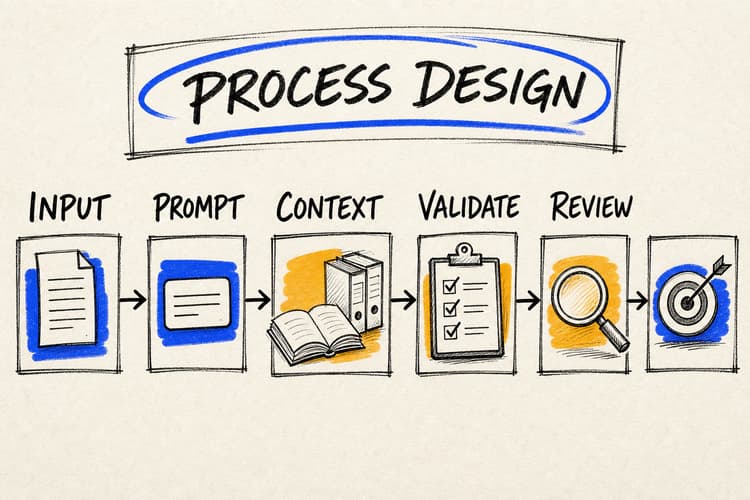
Every revision improved the wording, but the output remained inconsistent because the system was feeding the model unclear inputs, weak context and no validation.
Read the field note →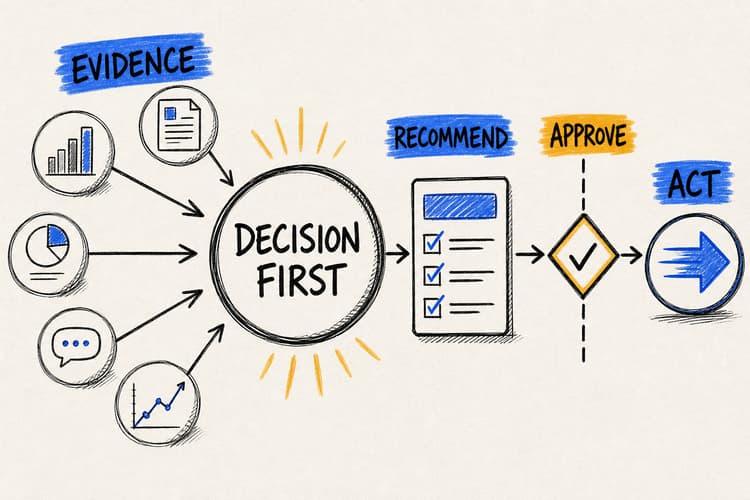
The agent could search, summarize, draft and act. What nobody had defined was the decision it was responsible for improving.
Read the field note →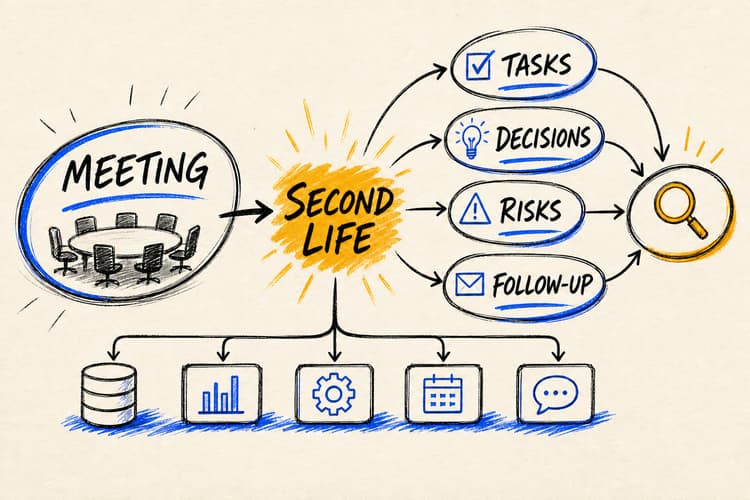
Everyone left aligned, yet tasks were missed, decisions became fuzzy and the same questions returned. The meeting needed a life beyond memory.
Read the field note →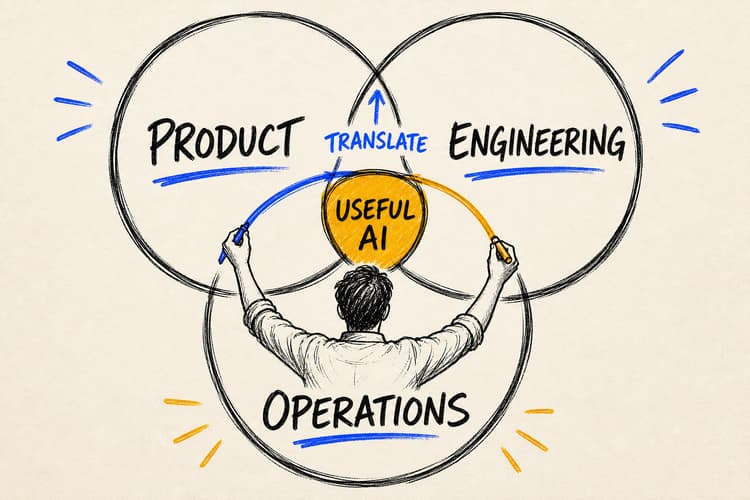
The product problem, technical system and operating reality kept colliding. The work became effective only when I learned to move between all three.
Read the field note →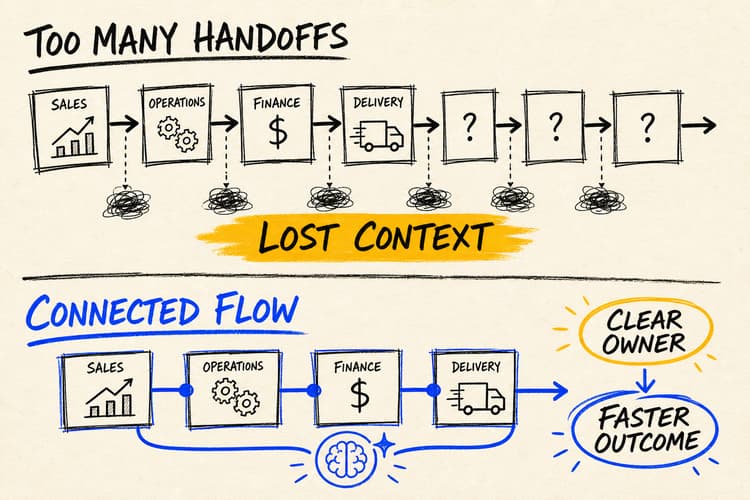
No single step looked especially wasteful. The delay lived in the space between sales, operations, finance, delivery and the systems each team used.
Read the field note →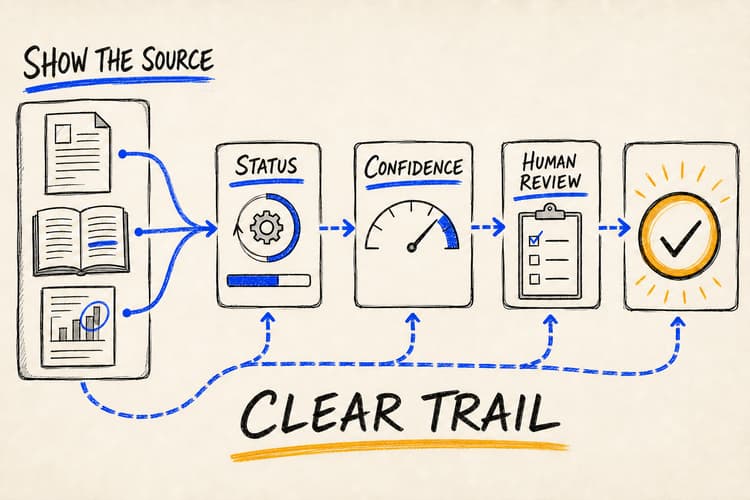
The problem was not only accuracy. The user could not see where the answer came from, what the system had inferred or whether anyone had approved it.
Read the field note →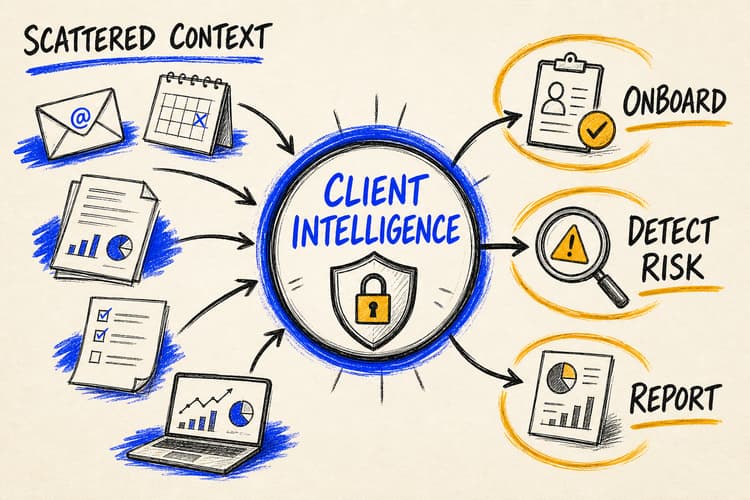
A simple account question sent people searching through email, meetings, tasks, reports and memory. The agency did not lack information. It lacked a shared intelligence layer.
Read the field note →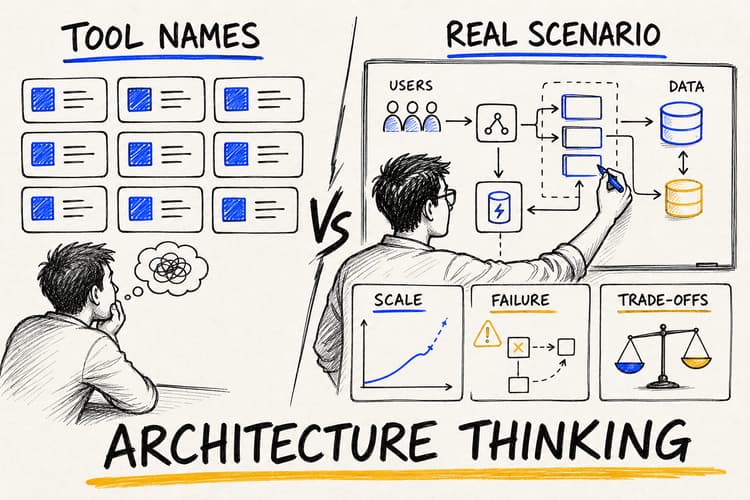
Frameworks, models and vector databases filled the answer. The missing part was the reasoning: users, evidence, permissions, failure, cost and trade-offs.
Read the field note →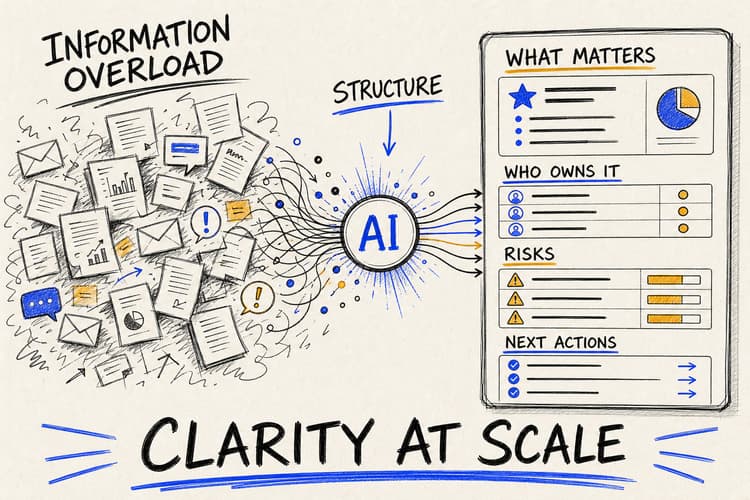
Faster drafts and summaries were useful, but the real change came when scattered information became decisions, owners, risks and next actions people could understand.
Read the field note →